Dubai’s Emergency Medical Services (EMS) Modernisation

Dubai’s Emergency Medical Services (EMS) Modernisation

Dubai’s Emergency Medical Services (EMS) Modernisation

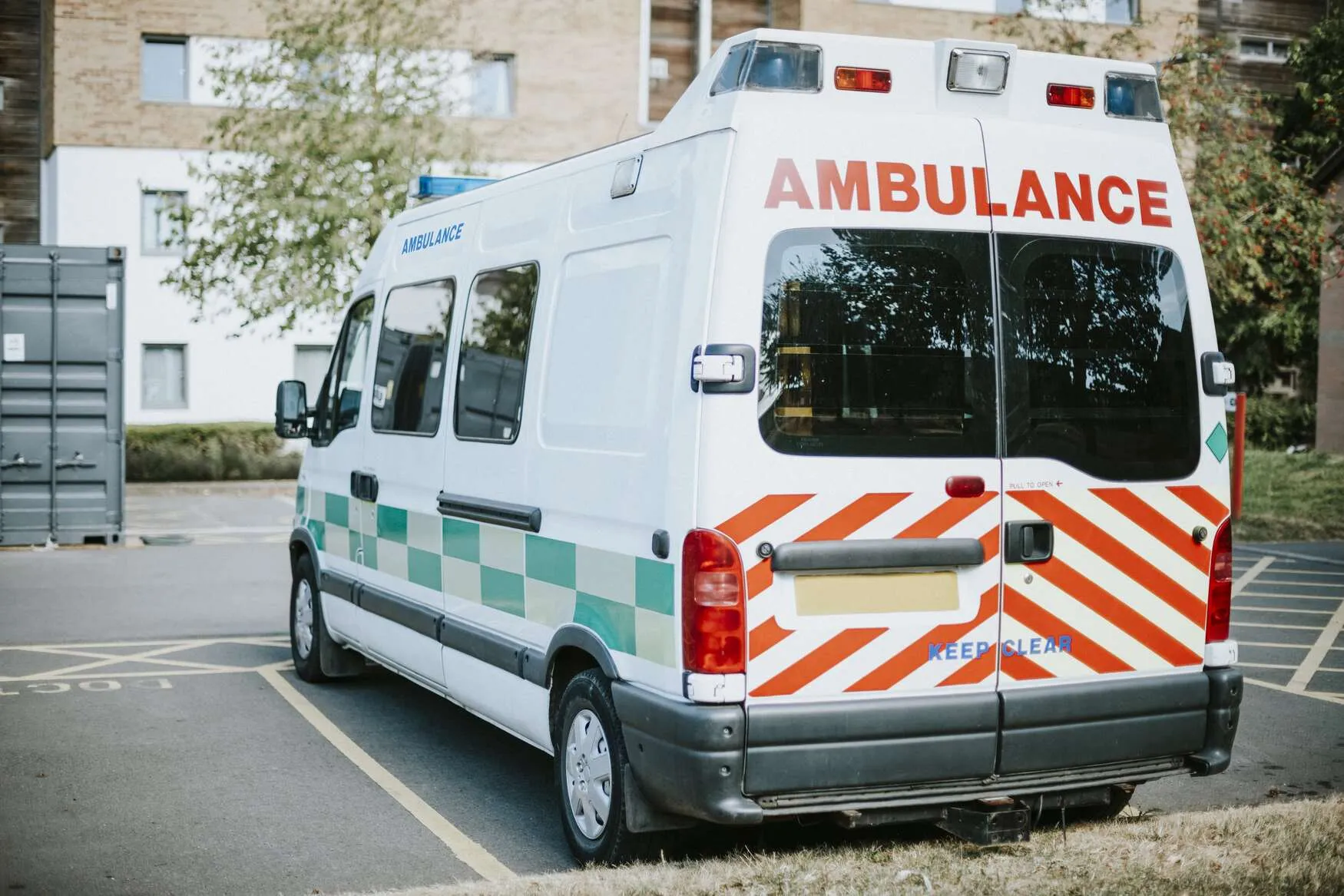
Dubai’s ambulance service has seen major upgrades in recent years. In 2023, DCAS responded to 235,394 emergencies across the city and reduced the average ambulance response time to 7.5 minutes – a 13% improvement over 2022. To support faster access, they added 12 new ambulance‑points, bringing the total to 133 strategically located stations – helping reach more remote or busy areas faster.

Dubai’s ambulance service
5G‑powered ambulance

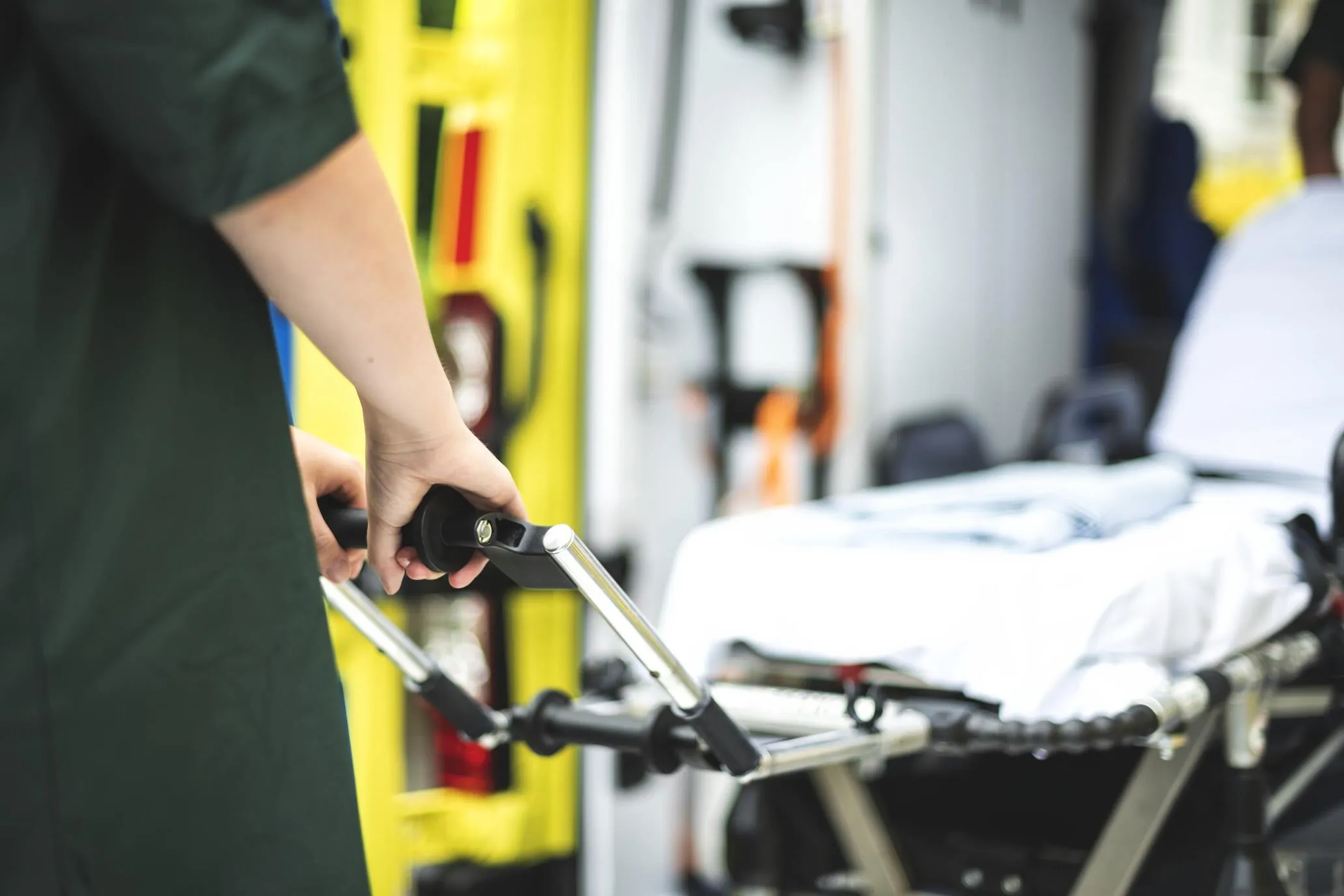
Technology is playing a bigger role: Dubai now uses “smart ambulances” that leverage advanced networks to improve pre‑hospital care. At a 2023 technology event, a 5G‑powered ambulance was unveiled – capable of transmitting real‑time patient vital signs and health data from the ambulance to the hospital, enabling remote monitoring and faster clinical decisions.
In 2025, the service announced plans to deploy facial‑recognition and AI‑powered “SOS / triage apps” to help identify patients quickly, retrieve medical records instantly (even for unconscious or un‑ID’d patients), and guide first responders more efficiently.

The improvements are showing impact: in 2024–2025, DCAS reportedly responded to over 265,000 emergency calls, with a reduced average response time – for example, one 2025 report says average arrival time dropped to 6.59 minutes. During that period, ambulance teams successfully revived hundreds of patients suffering cardiac arrest – indicating better pre‑hospital care and faster medical intervention. These efficiency gains help improve patient outcomes, reduce fatalities, and increase the chances of survival in critical emergencies.

DCAS reportedly
EMS modernisation

Dubai’s commitment to EMS modernisation – expanding ambulance coverage, integrating 5G and AI technologies, improving response times, and upgrading systems – helps position the emirate as a global model for smart urban healthcare and emergency response. For residents and tourists alike, this means better safety net and faster access to care. As technology and infrastructure grow, and with future plans to deploy more smart‑ambulances and AI triage, Dubai’s EMS may further decrease response times, improve triage accuracy, and deliver more life‑saving interventions – helping the city keep pace with global standards in emergency medical care.