Controlled-Environment Agriculture (CEA) & vertical farming – “Growing inside the skyline”

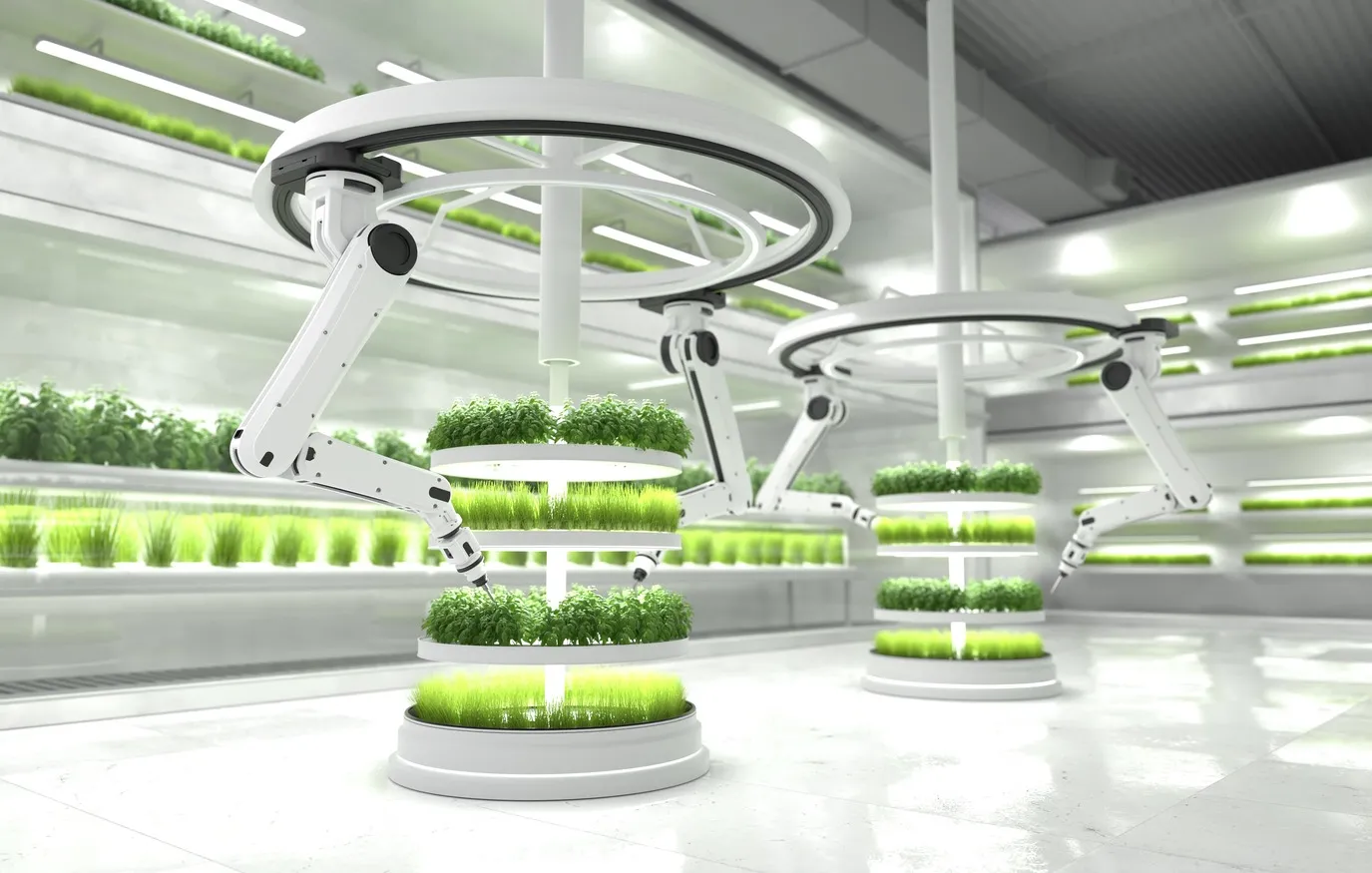
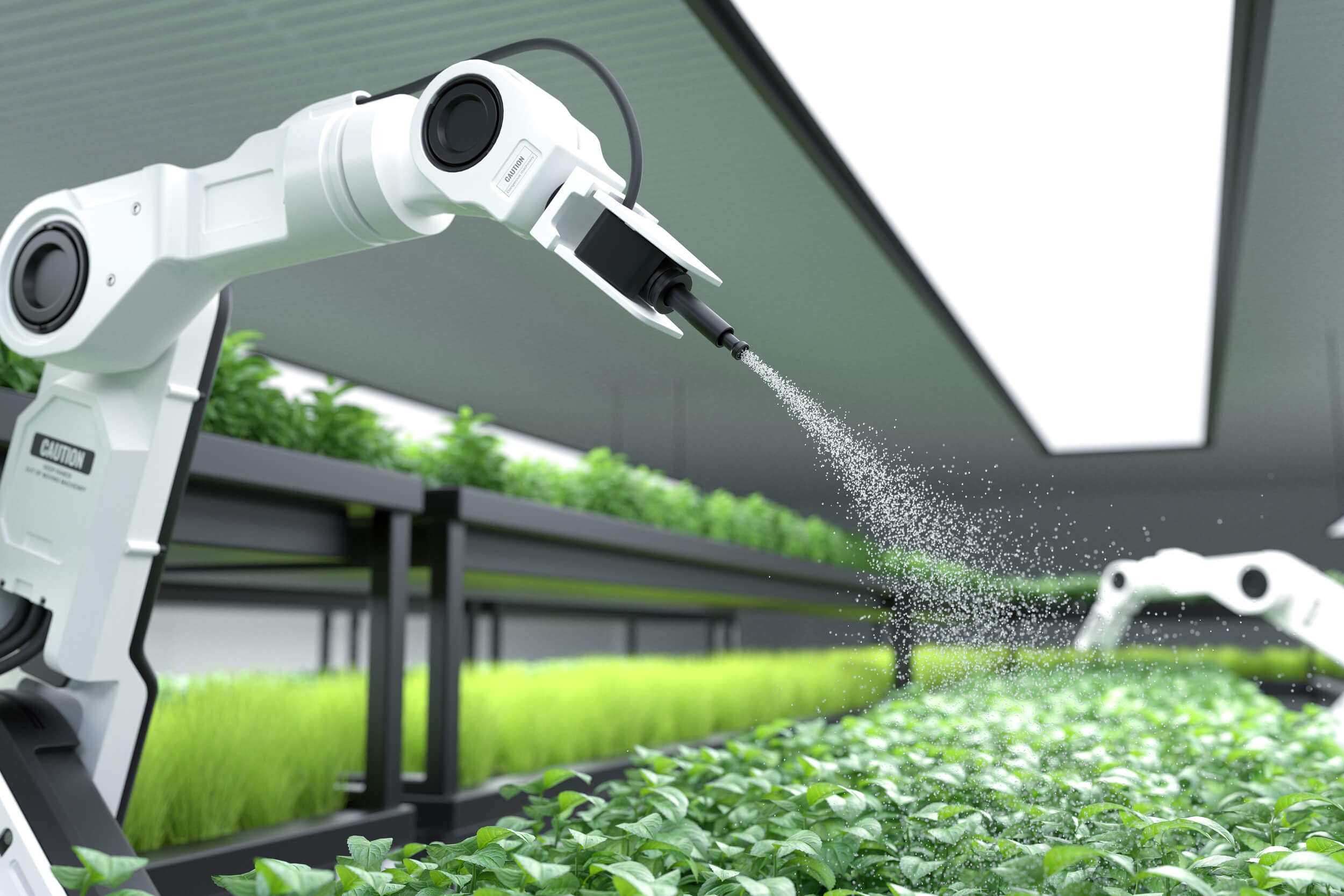
smart-robotic-farmers-concept-robot-farmers-agriculture-technology-farm-automation

Controlled-Environment Agriculture (CEA) & vertical farming – “Growing inside the skyline”

Why CEA matters in Dubai: Arid climate + limited arable land make CEA (greenhouses, vertical farms, hydroponics) an ideal path to year-round fresh produce. Conference and industry reports show Dubai as a regional hub for vertical-farming events, investment and pilot projects, attracting global operators and capital.

hub for vertical-farming events, investment and pilot projects
international players forming JV or projects in the UAE

Investment & scale examples: Major investments include international players forming JV or projects in the UAE – e.g., Reuters reported a $680M JV between Plenty and UAE investors to scale indoor farms across the region – a signal that deep-pocket capital is betting on CEA profitability in Gulf markets.

Local pioneers & outcomes: Regional CEA players such as Pure Harvest Smart Farms demonstrate major efficiency gains, producing 10-15× higher yields per square metre while using up to 85–90% less water (≈30 L/kg versus ~250 L/kg in conventional farming). Pure Harvest now produces 17 million+ kg of fresh produce annually and supplies leading supermarkets and hotel chains across Dubai, helping reduce reliance on air-freighted vegetables and improve year-round supply consistency.

Pure Harvest Smart Farms
CEA’s economics

CEA’s economics depend on energy, automation and scale. Key KPIs to monitor: litres of water per kg produced, yield per m², energy per kg, and supply-chain integration with retailers. Policy levers (subsidies, land allocation, tariff adjustments) will determine how fast CEA can materially lower Dubai’s import share.