Aquaculture & sustainable seafood – “Blue growth: Dubai’s path to more local fish”

boat-loading-river

Aquaculture & sustainable seafood – “Blue growth: Dubai’s path to more local fish”

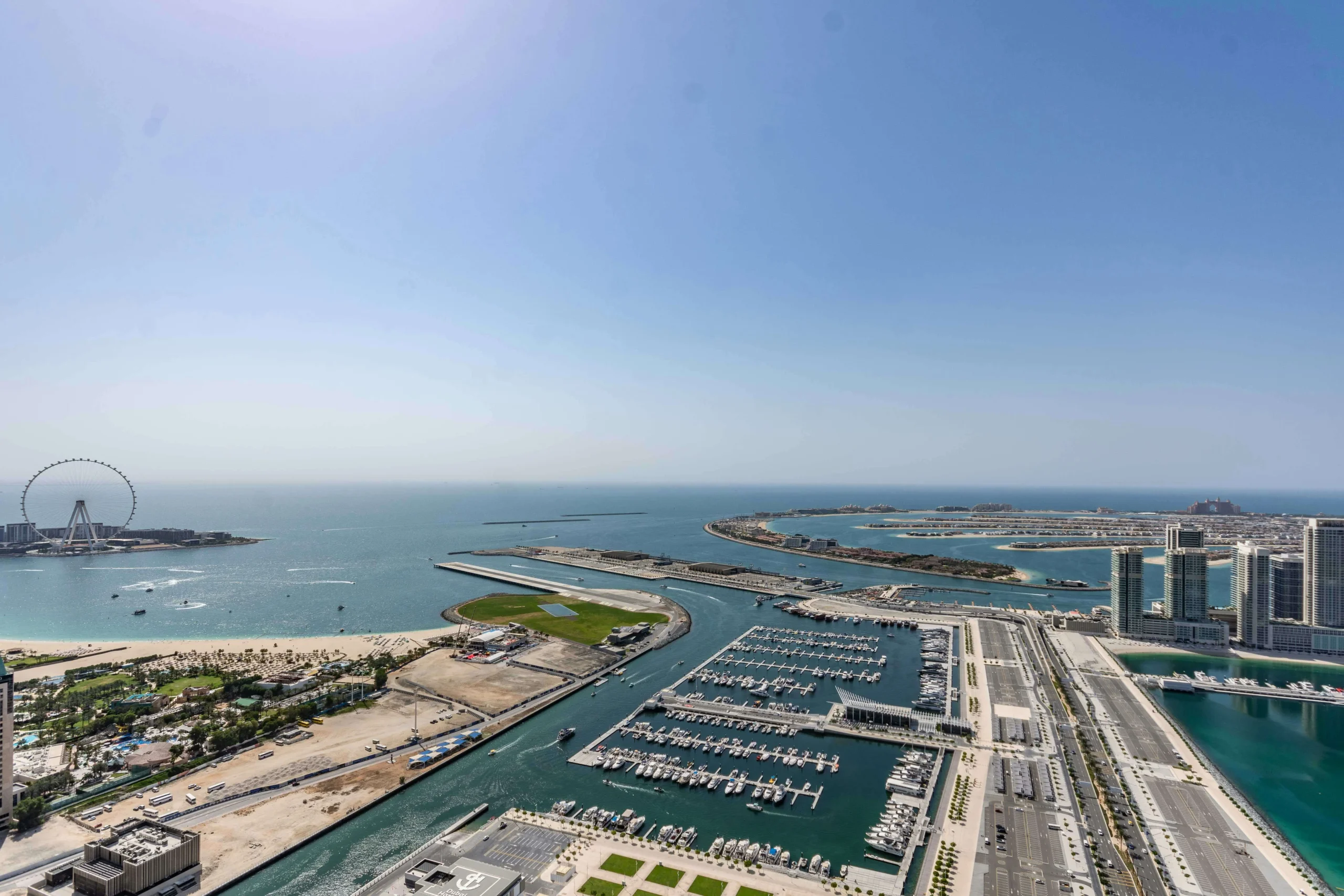
Regional context & potential: The UAE is one of the GCC’s early adopters of aquaculture, and FAO country profiles plus regional reports show growing aquaculture production as capture fisheries level off globally – aquaculture offers a scalable option to boost local seafood supply for Dubai.

Regional context & potential
Government action & science partnerships

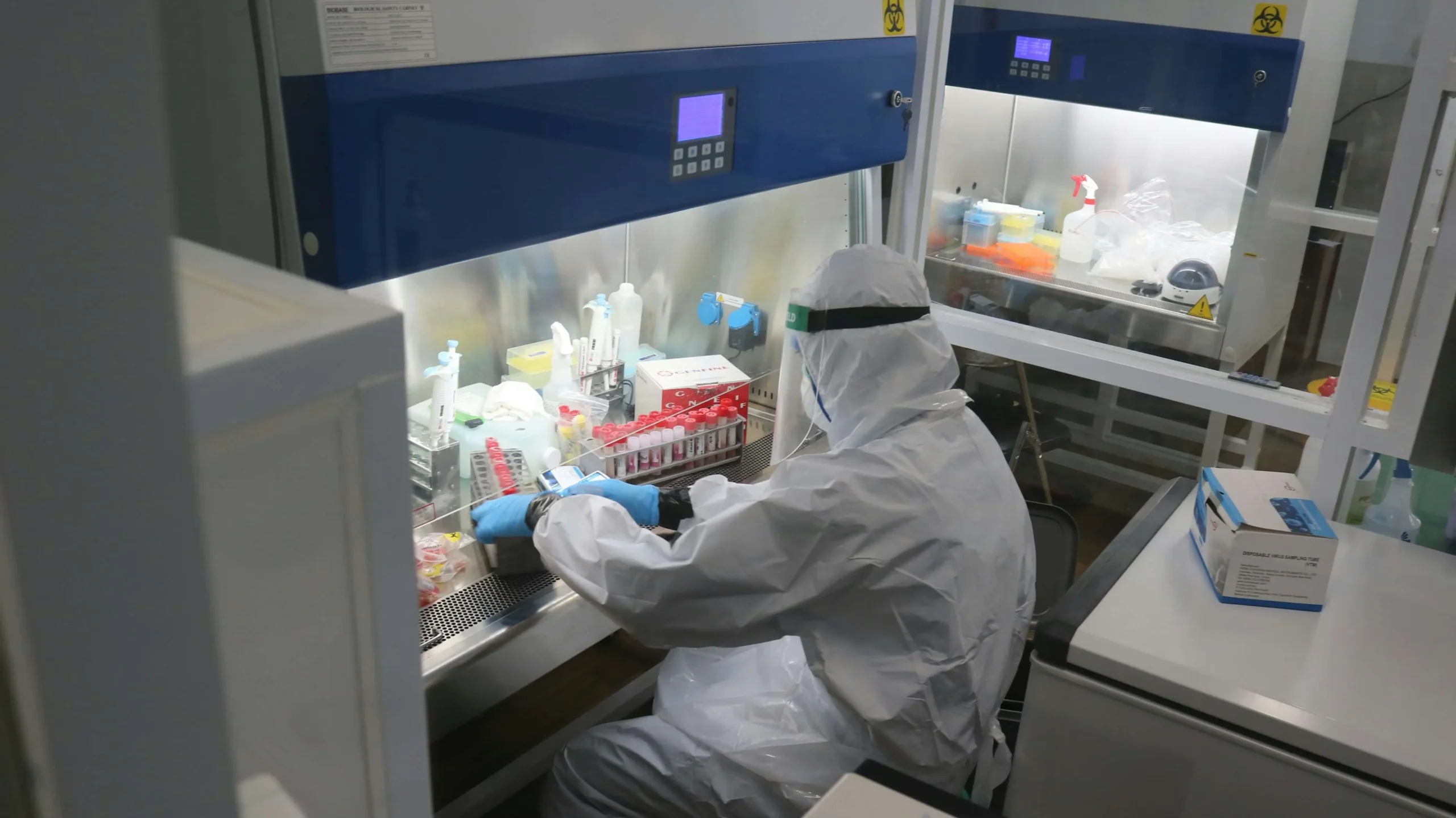
Government action & science partnerships: Emirate and federal agencies are expanding sustainable aquaculture through R&D, licensing, and environmental standards. In Abu Dhabi, aquaculture production reached ~810 tonnes in 2023, supported by initiatives such as the Dalma Island sea-cage project, which has capacity of ~100 tonnes per year for locally consumed species. Despite this progress, aquaculture still supplies ~2% of the UAE’s ~220,000-tonne annual fish demand, highlighting strong growth potential under government-led sustainability and food-security programs.

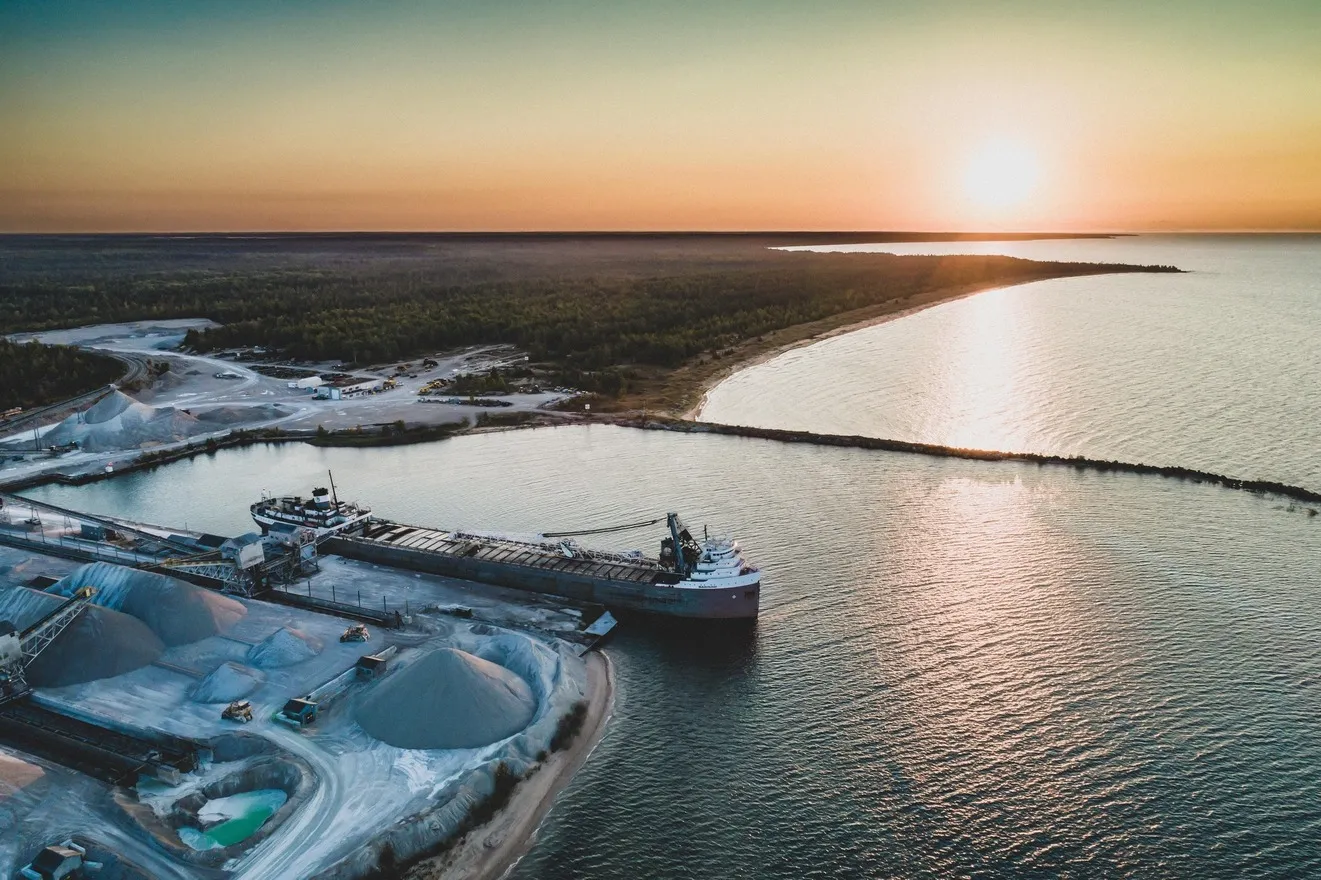
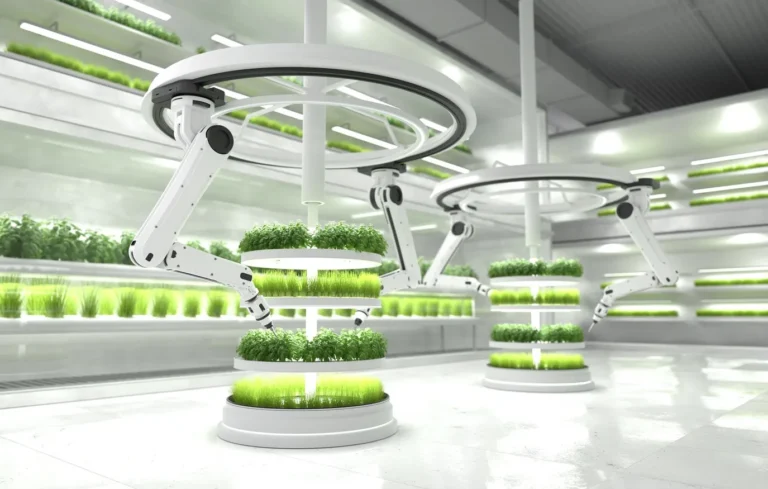
Business models & supply chain fit: Offshore mariculture, recirculating aquaculture systems (RAS), and integrated fish-vegetable systems (aquaponics) are being trialed to supply hotels and restaurants in Dubai with fresher local fish, reduce import reliance and cut carbon from long-haul seafood. Investors are watching feed sourcing and energy costs as the main commercial constraints.

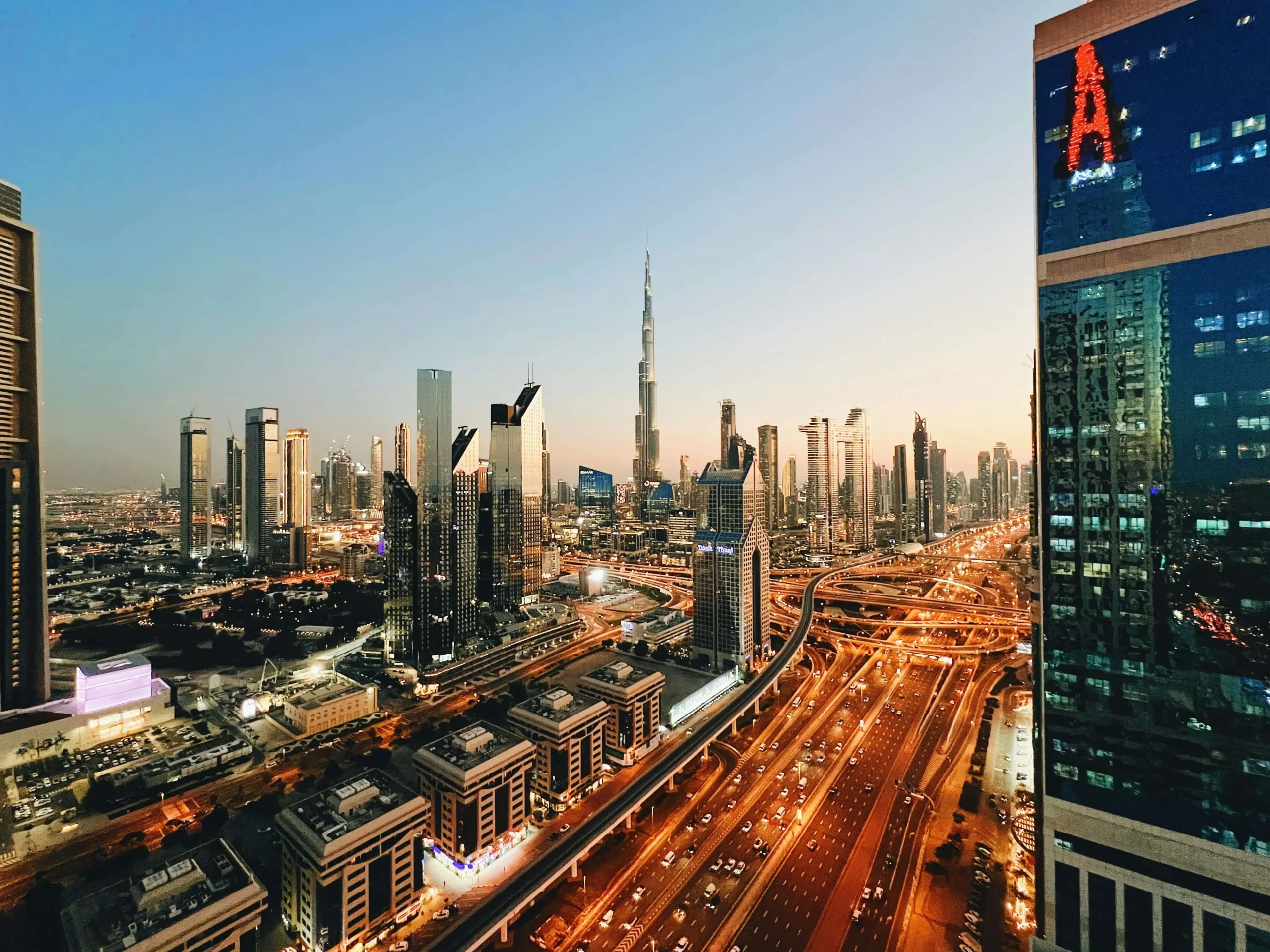
Business models & supply chain fit dubai
Consumer & regulatory signals

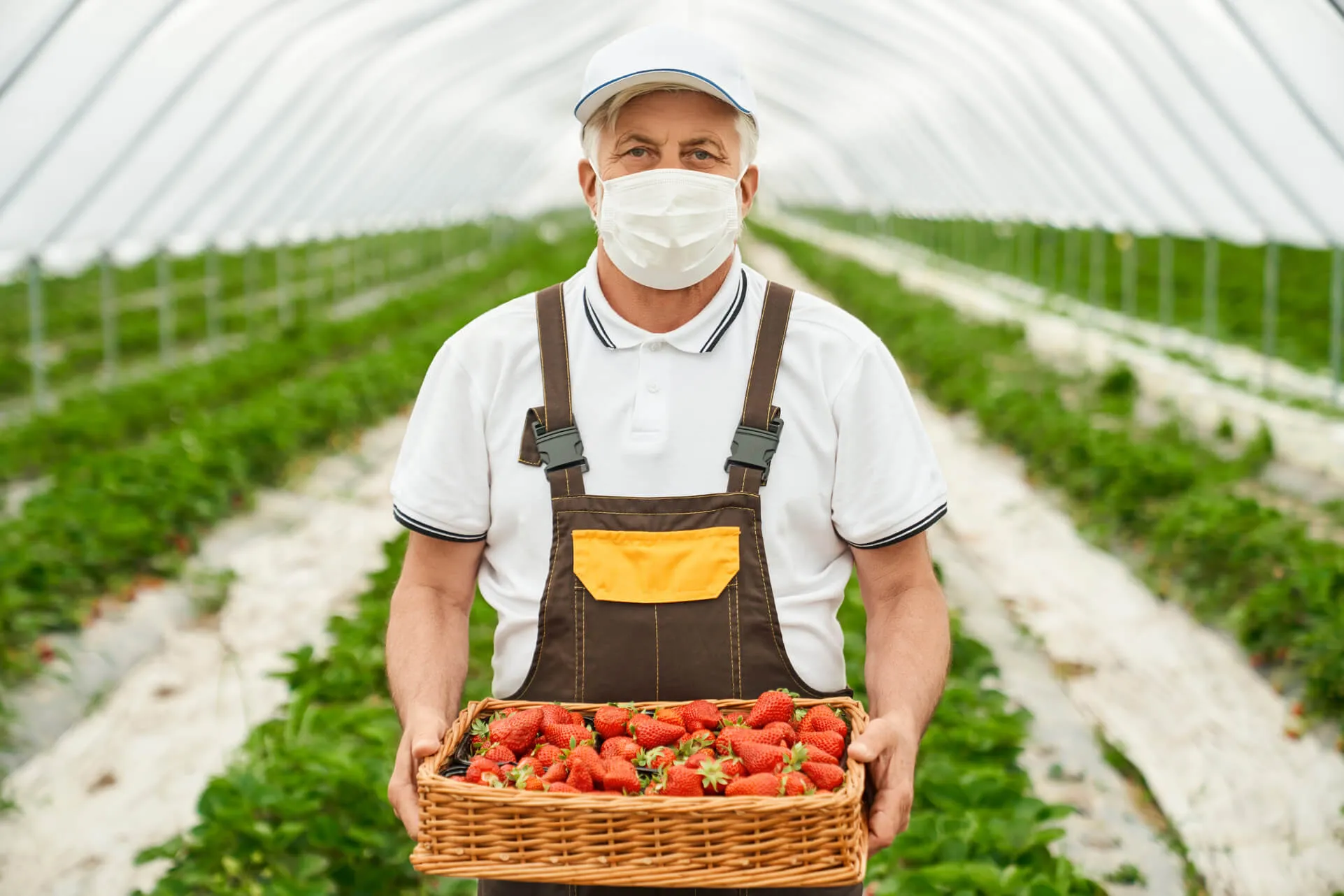
Consumer & regulatory signals: Dubai’s food regulators are strengthening inspections, traceability and certification – consumers are increasingly receptive to “locally-farmed” seafood if safety and quality marks are clear; this creates market pull for certified aquaculture produce.