Domestic Crop Production Trends – “From Dates to Veggies: Dubai’s Crop Output in 2025

Domestic Crop Production Trends – “From Dates to Veggies: Dubai’s Crop Output in 2025

Growth in local crop output

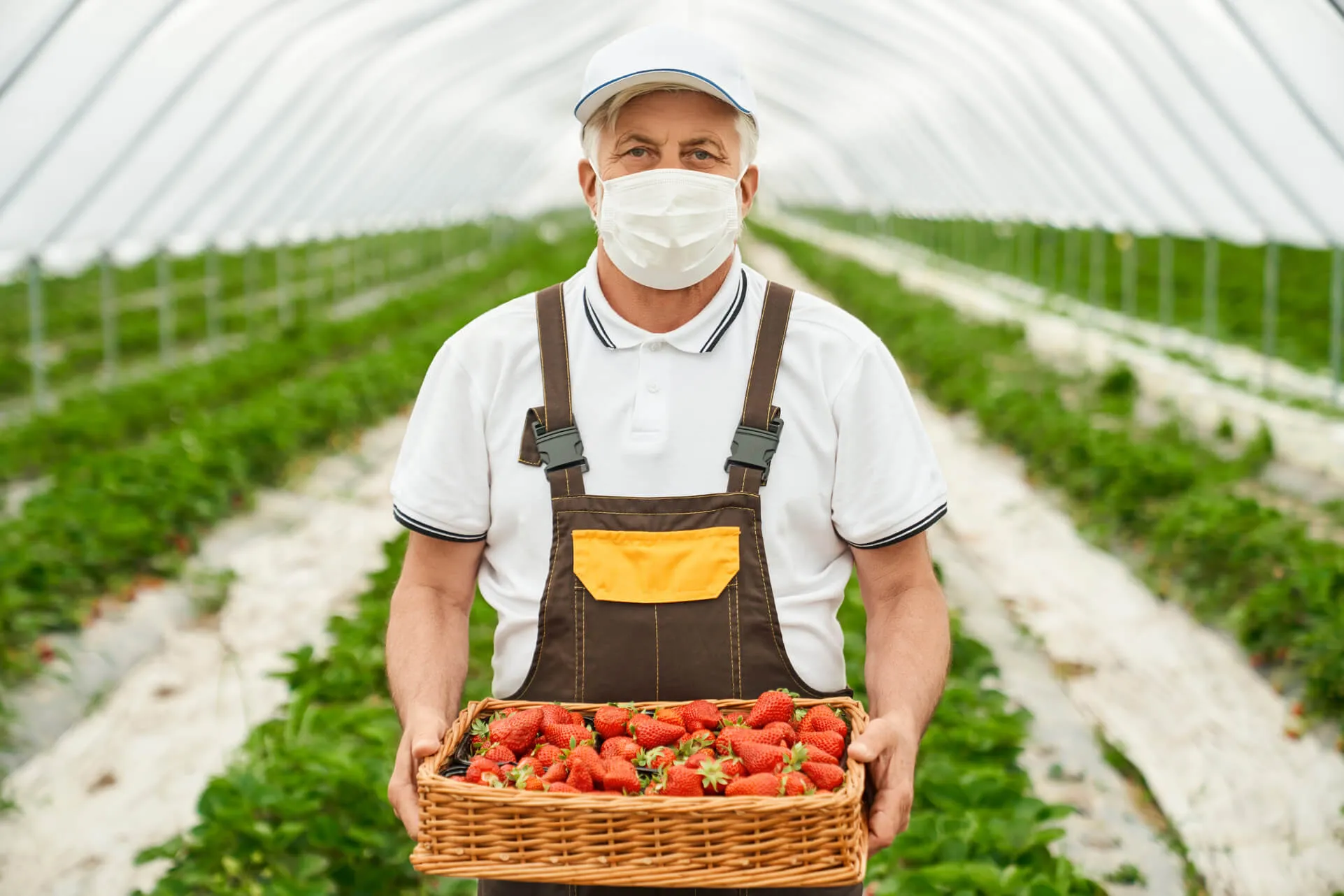
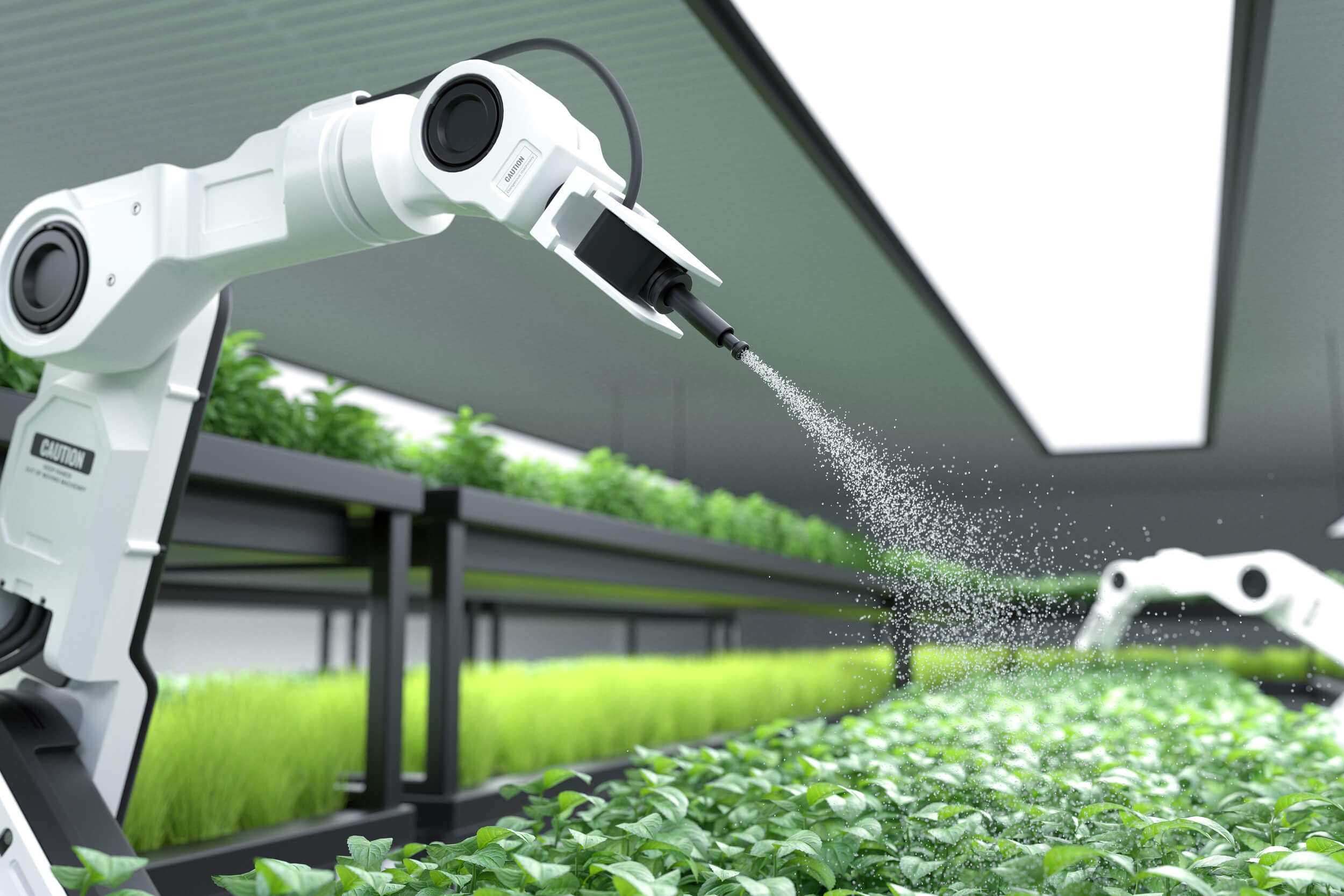
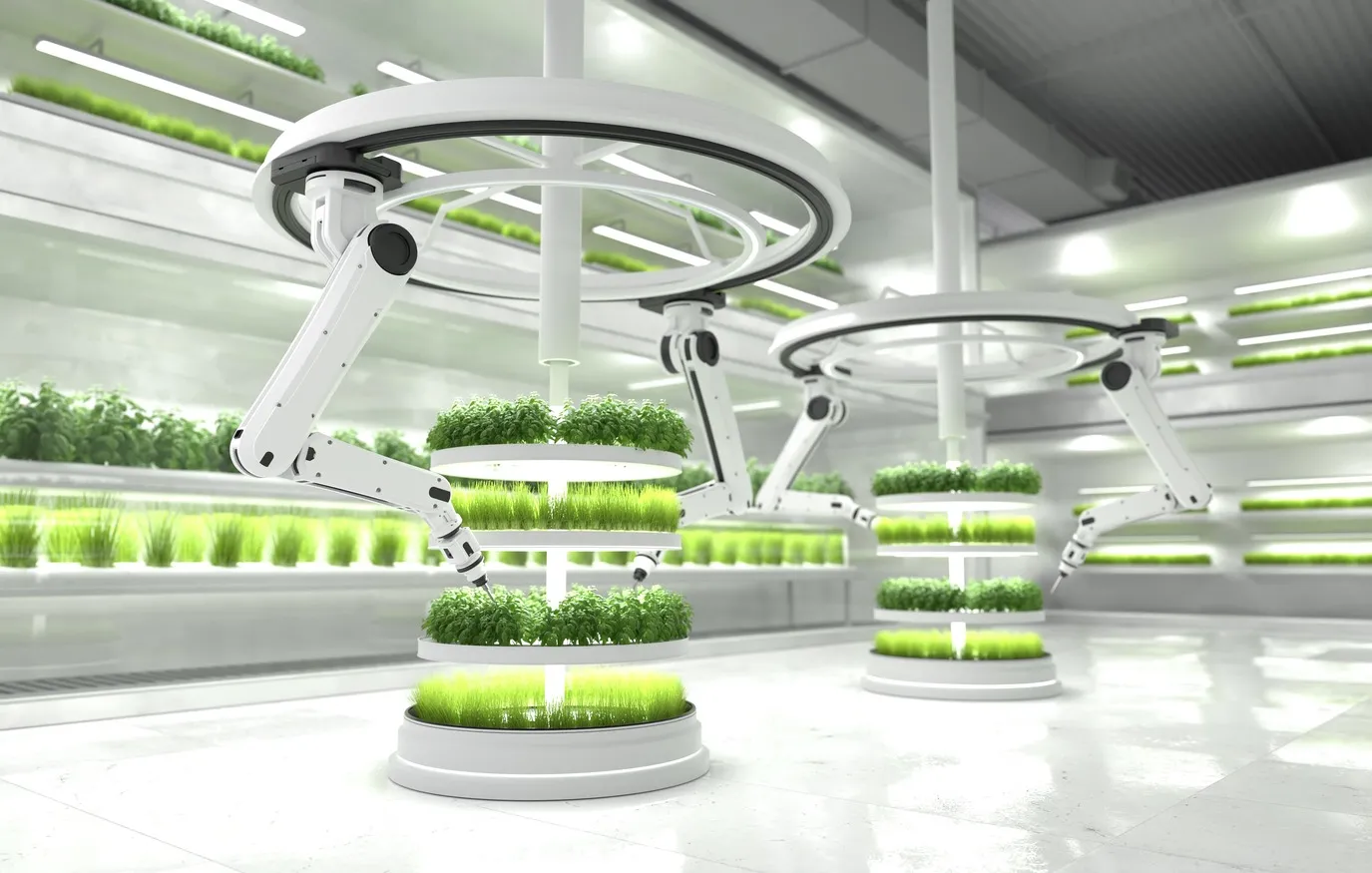
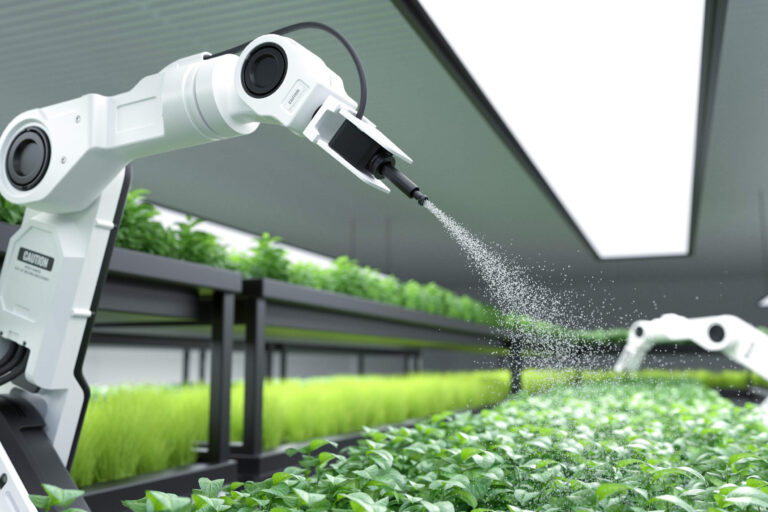
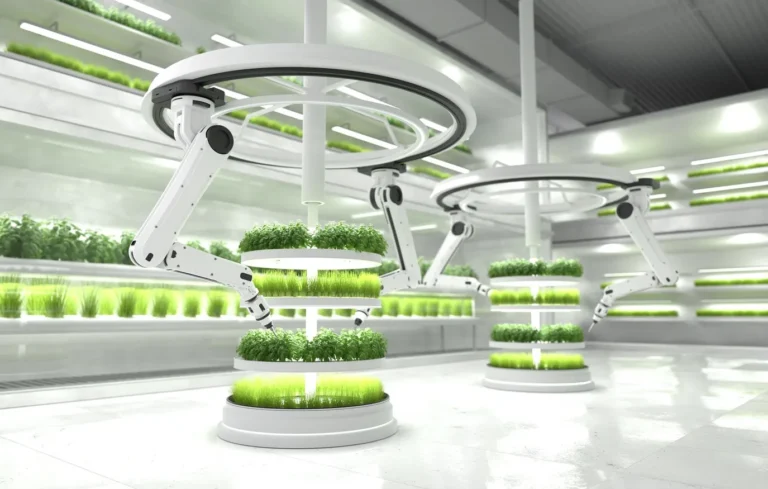
Dubai’s urban and peri-urban farming has scaled rapidly – for example, Emirates Crop One’s vertical farm in Dubai produces over 1,000,000 kg of leafy greens annually while using up to 95% less water than traditional agriculture, and it supplies major hotel, supermarket, and airline clients. This reflects how agritech and controlled-environment agriculture are now key contributors to Dubai’s fresh produce output in 2025.

Dates and value-added produce in Dubai

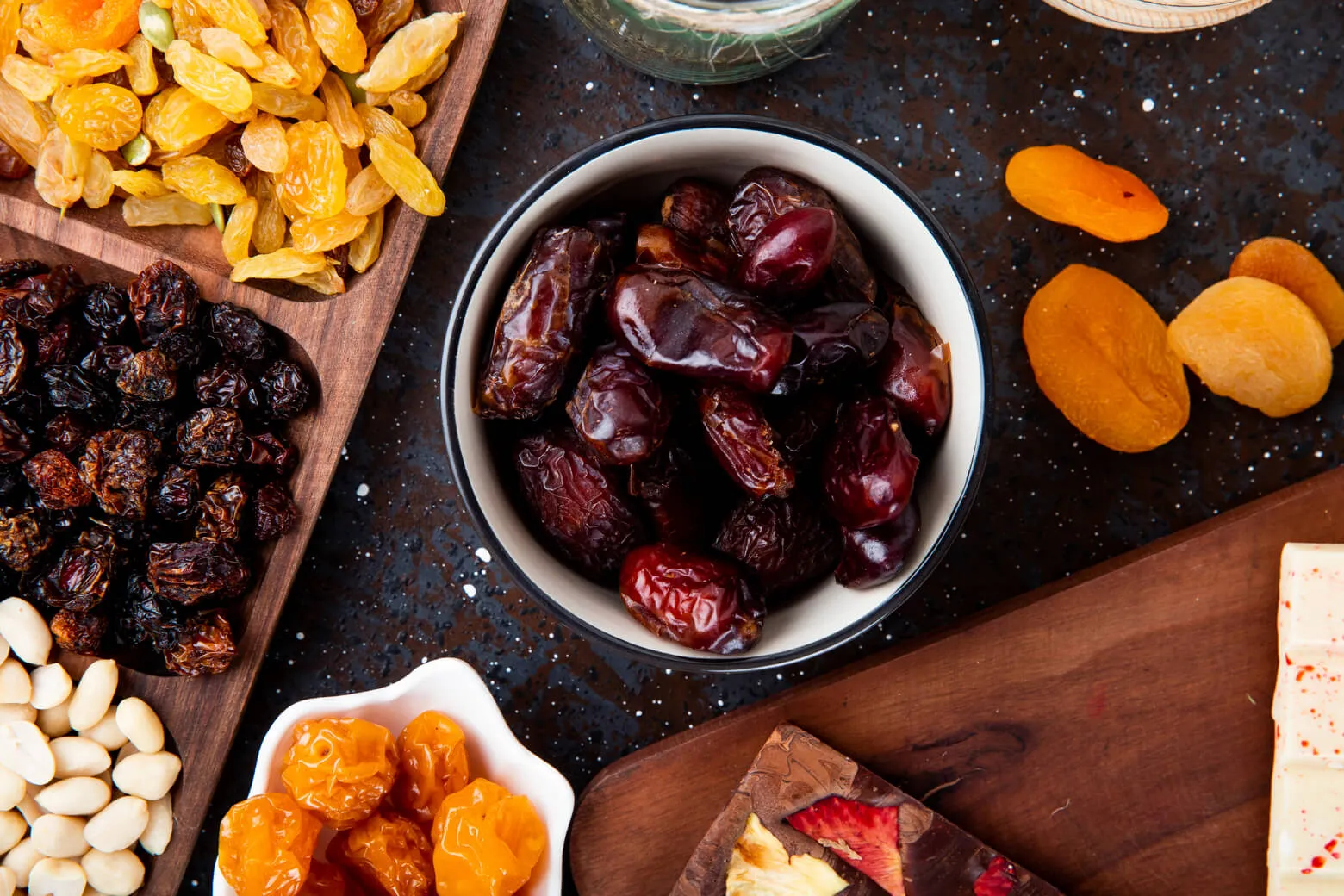
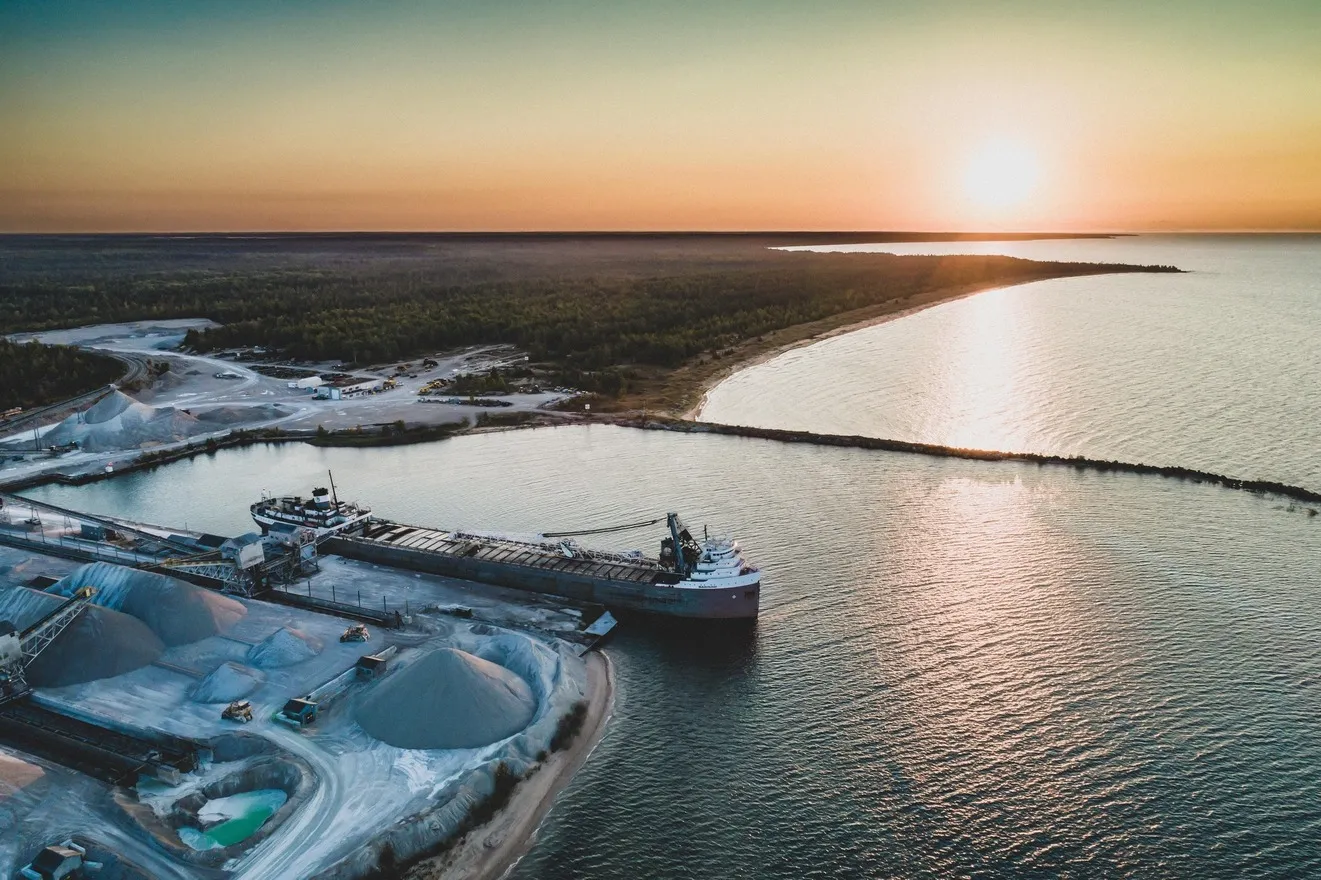
Although date farming occurs mainly outside Dubai, the emirate is central to processing, packaging, distribution, and retail of value-added date products like syrups, snacks, and premium goods. The UAE produces around 400,000 tonnes of dates annually, ranking among the top ten globally, with Dubai leveraging this supply for domestic and export markets. The UAE dates market is expected to reach ~USD 0.92 billion in 2025, growing toward USD 1.23 billion by 2030, highlighting strong demand and business opportunities for Dubai’s food sector.

Fresh produce and hydroponic expansion

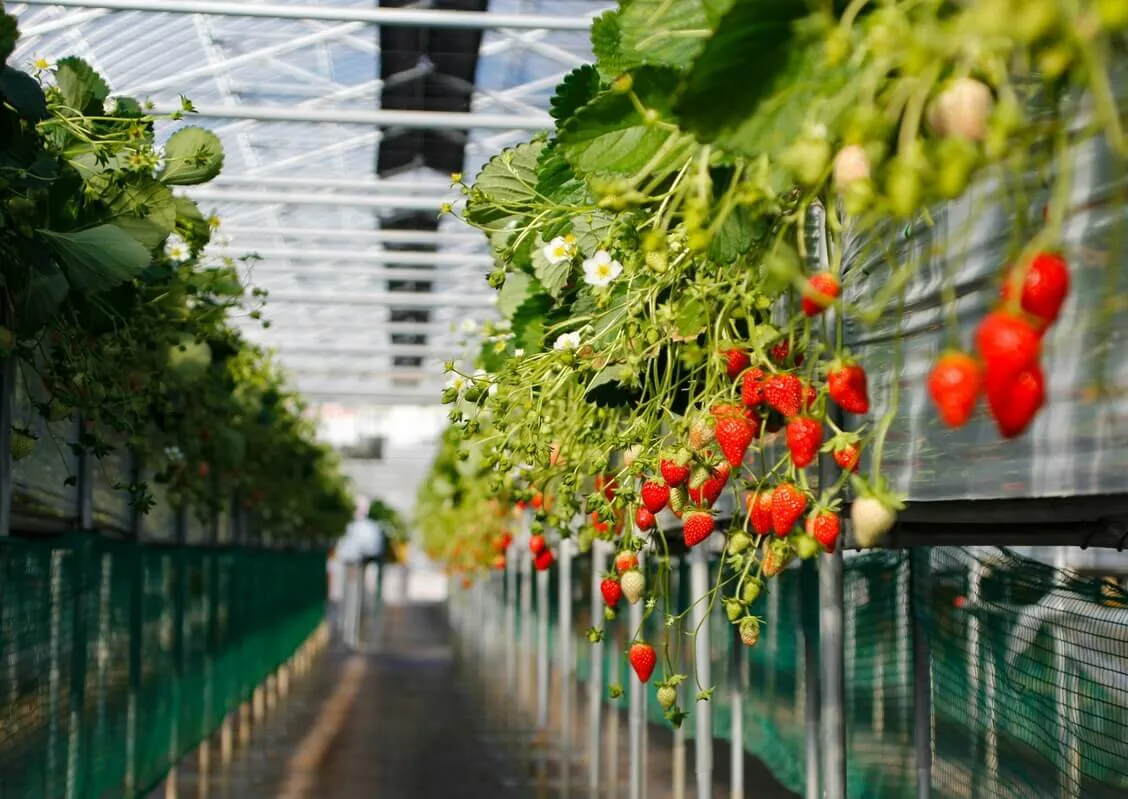
Dubai is a leading adopter of hydroponic and vertical farming in the UAE. Industry projections show the UAE hydroponics market size by value at USD 93.1 million in 2023 and is expected to grow to USD 161.4 million by 2030 at ~8.4% CAGR — reflecting strong demand for hydroponic leafy greens, herbs, tomatoes and cucumbers in Dubai’s market. Local producers are meeting increasing hotel and supermarket demand, reducing reliance on imported fresh vegetables.  Hydroponic and Aeroponic Systems deliver remarkable efficiencies: up to 95% less water usage, 60% less fertilizer, and productivity rates 100 times greater per square foot than conventional farming.

Water & sustainability

Dubai’s farms are notable for water-use efficiency: modern hydroponic/vertical farms use up to 90–95% less water than conventional desert farming methods, crucial in a city where water scarcity is a systemic challenge. Dubai’s agricultural programs also encourage water recycling and reclaimed wastewater use to support crop irrigation without over-taxing freshwater reserves.