Food security & import dependence – “Dubai’s nutrition by trade: risks and opportunities”

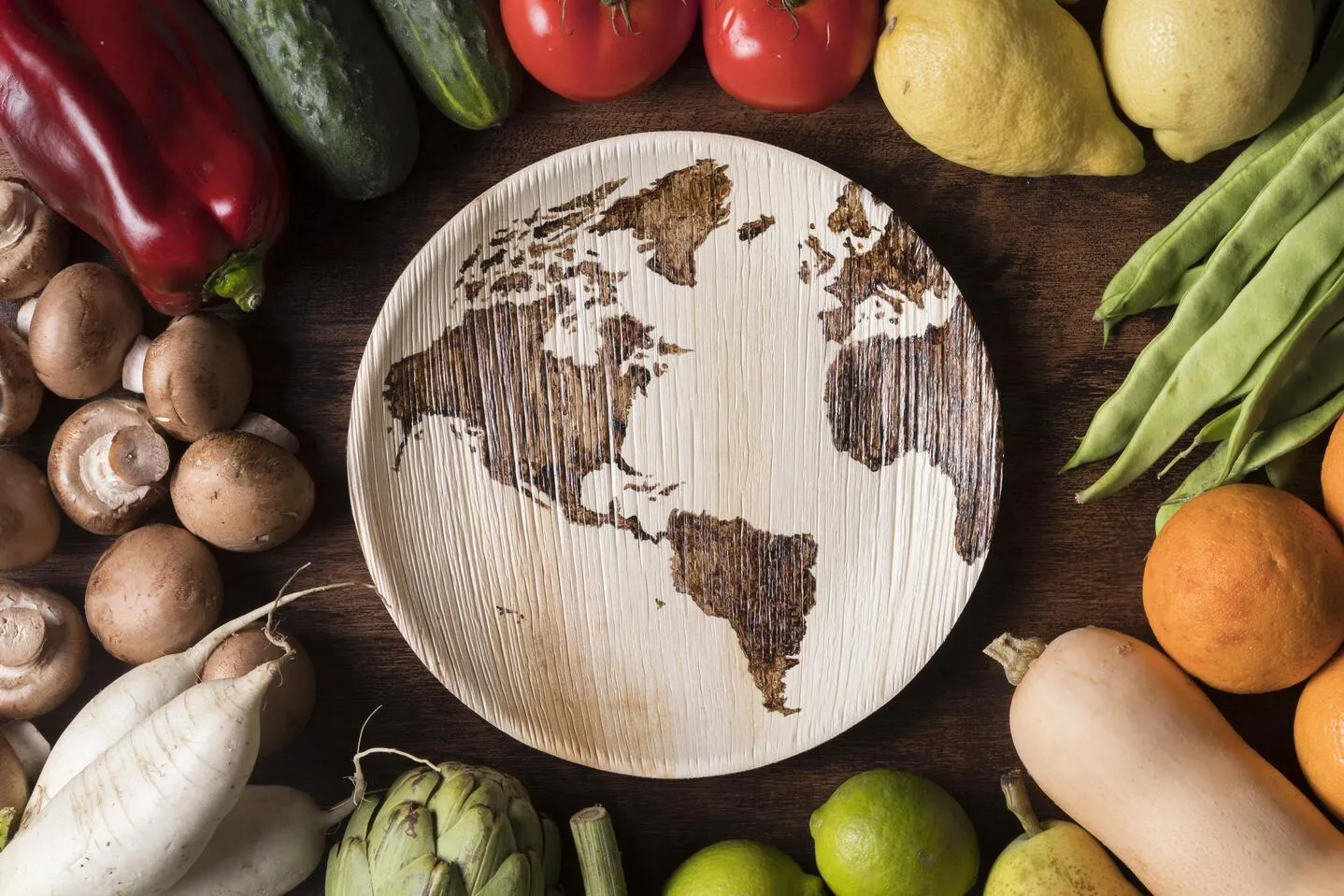
top-view-vegetables-arrangement-with-plate

Food security & import dependence – “Dubai’s nutrition by trade: risks and opportunities”

Dubai (aur UAE) heavily depends on imports for staple and processed foods, recent government and trade reports estimate the UAE imports roughly around 85–90% of its food needs, making resilience and diversified sourcing critical policy priorities. This import reliance creates exposure to global price shocks, shipping disruptions and climate-driven supply volatility.

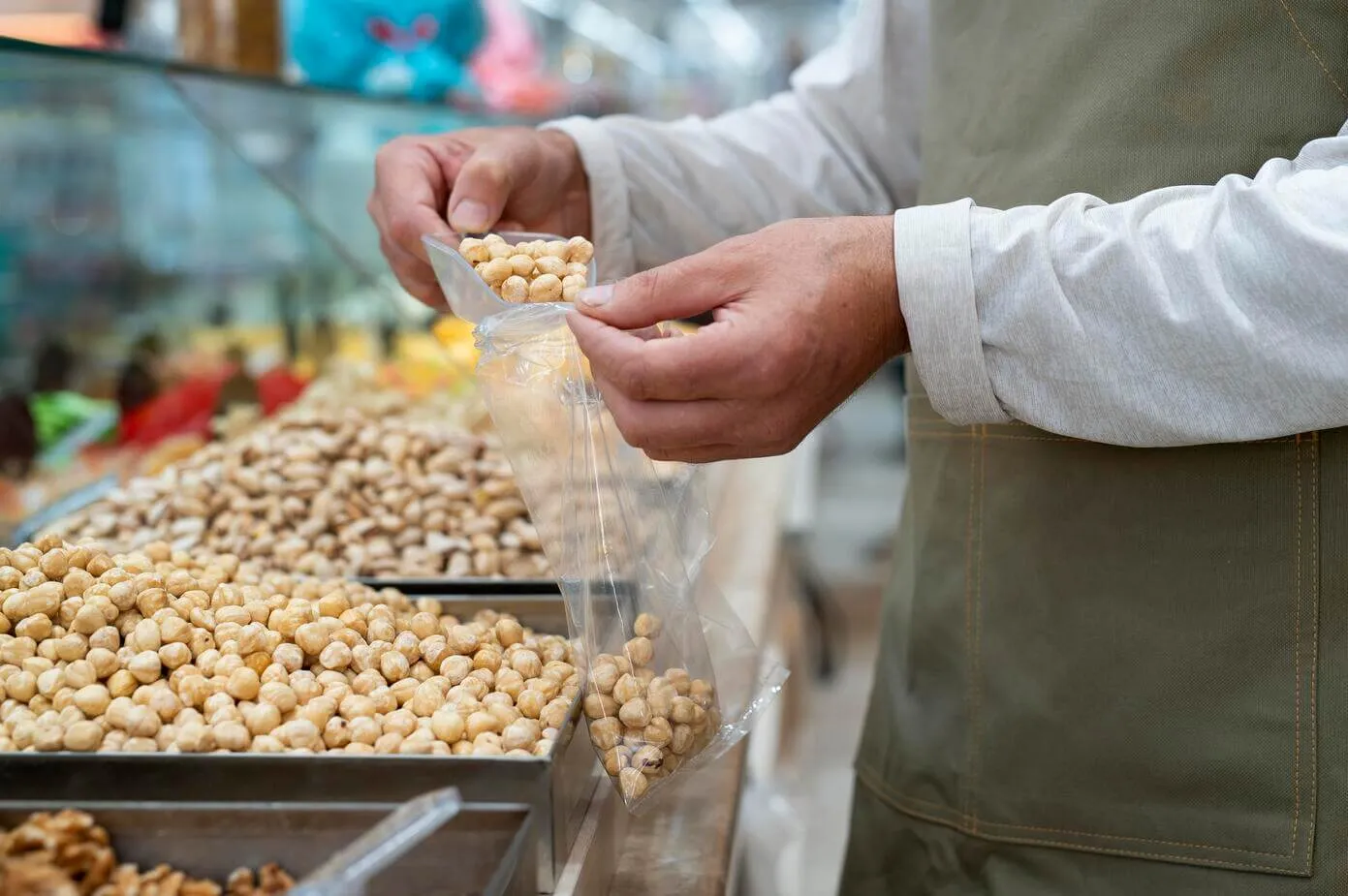
imports for staple
oodservice and retail market

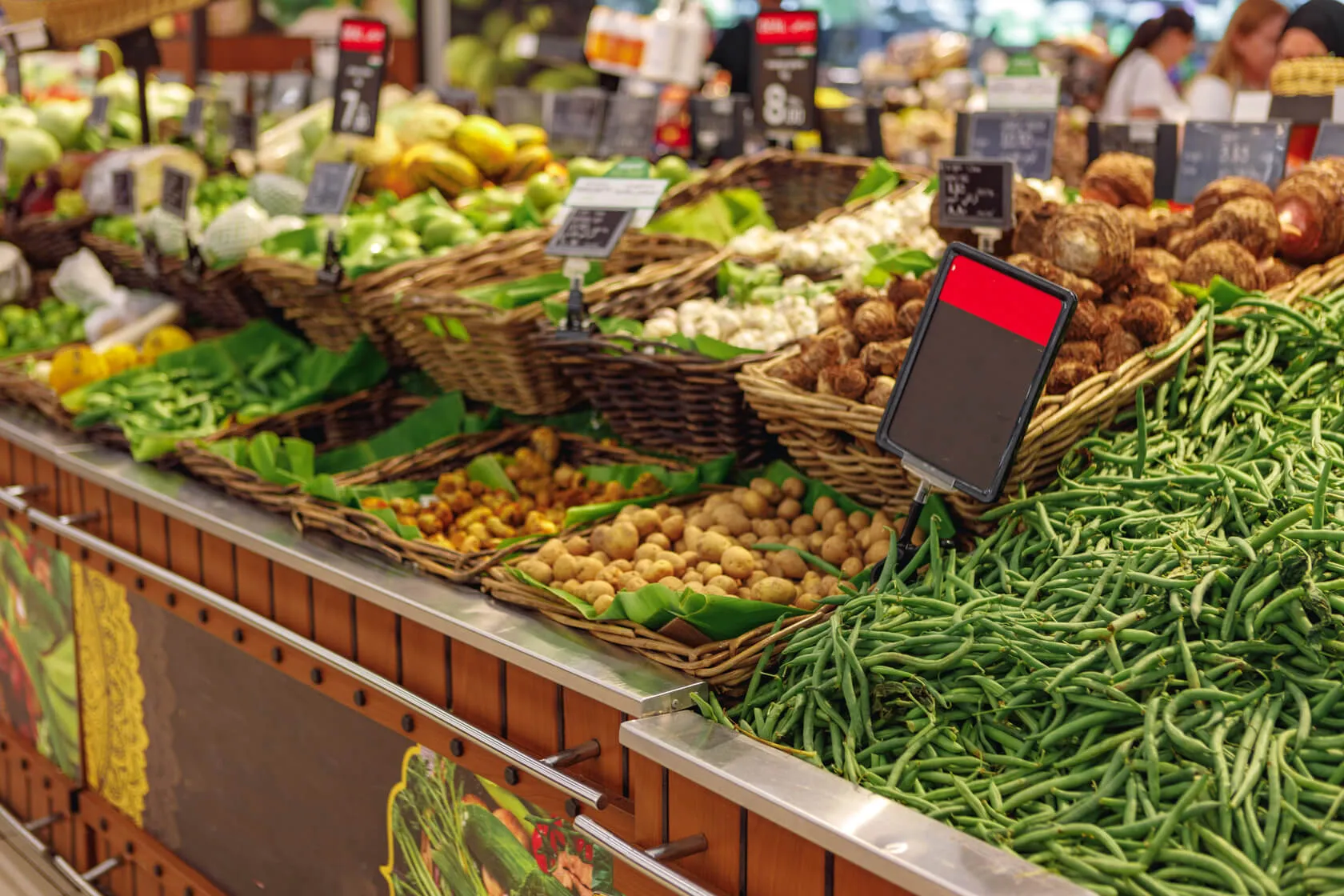
The UAE’s foodservice and retail market is large and concentrated in Dubai – industry assessments report 30,000+ food outlets nationwide with ~60% in Dubai, and growing demand from tourists and expatriates drives year-round consumption peaks. That mix makes Dubai both a distribution hub and a vulnerability point when imports or logistics are disrupted.

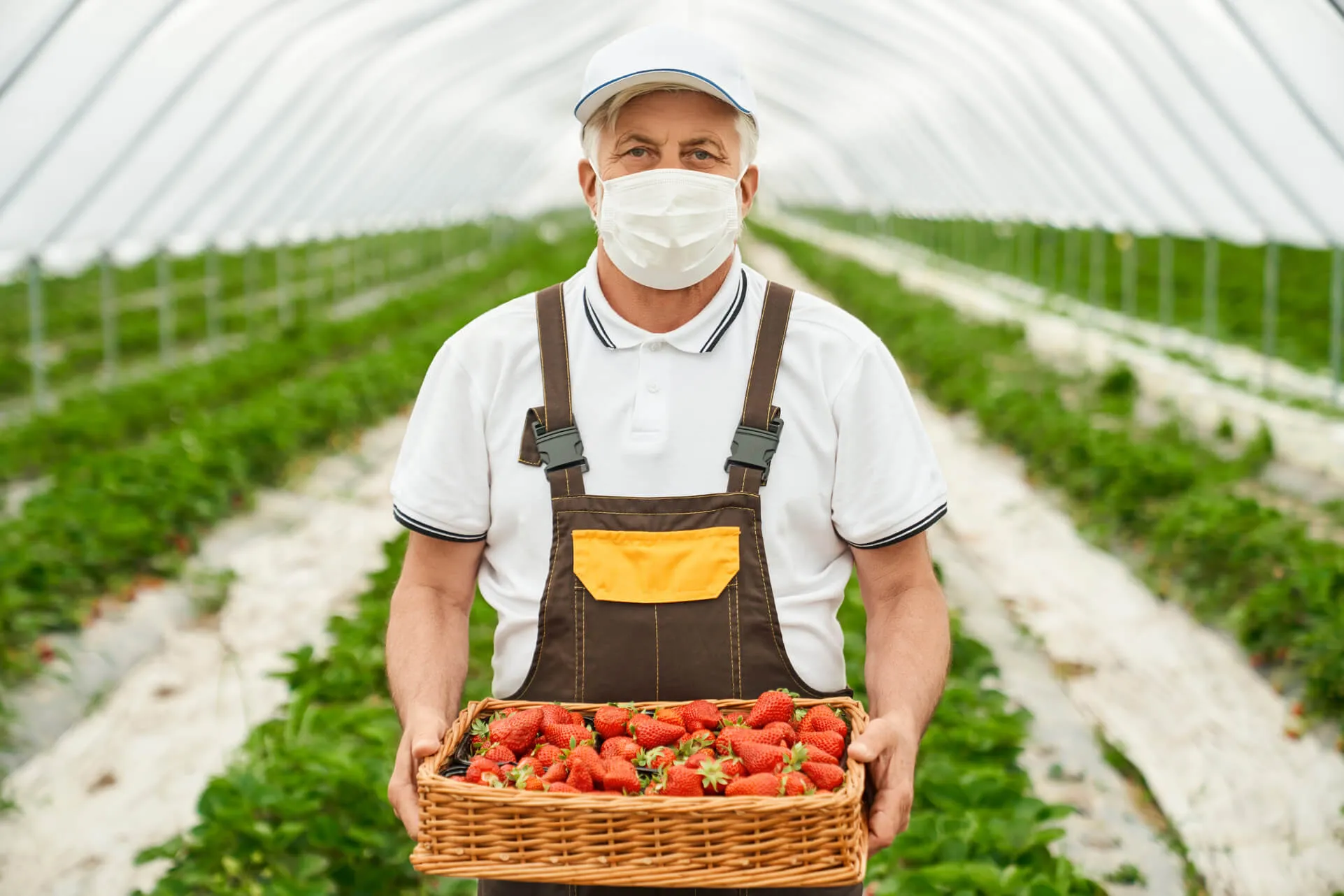
Strategic responses: Dubai and federal authorities are strengthening food security through diversification, stockpiling, and public-private partnerships under the UAE National Food Security Strategy 2051, which aims to triple domestic food production by 2030 via agri-tech and controlled-environment farming. Dubai Municipality has signed MoUs with the FAO and major retailers to enhance supply-chain resilience and food safety, while the UAE has invested ~AED 1 billion in cold-chain and food-storage infrastructure to reduce spoilage. These measures are critical as the UAE still imports ~85% of its food, and are designed to reduce short-term supply shocks and reliance on air-freighted imports.

Dubai and federal authorities
investors & planners

What this means for investors & planners: For investors, the import dependency signals opportunity in logistics, storage, processing and local production tech (CEA, greenhouses, controlled-environment farms). For policymakers it means balancing trade openness with resilience investments (stocks, diversification, procurement agreements). Actionable metric to watch: import share of food (keep monitoring official MoCCAE / USDA FAS updates).